Why Wool Tops the Sleep Surface: A Natural Regulator
Across cultures and centuries, wool has been valued for its ability to balance warmth and breathability. In a modern bedroom, a wool mattress topper extends that age-old function to your bed, offering a layer that adapts to your body and the room’s changing temperatures. Wool fibers wick moisture away from the skin, which helps regulate microclimates and reduces the sensation of dampness during warmer nights. In cooler months, the same fibers trap warmth, creating a cocoon-like feel without the heaviness of synthetic insulation.
The science behind wool’s comfort rests in fiber structure and moisture-handling chemistry. Wool fibers contain a complex network of scales and pores that manage air flow and humidity. This natural breathability supports a sleep environment that remains neither clammy nor overly dry. For many sleepers, this translates into steadier temperatures through the night, fewer awakenings caused by overheating, and a sleeping surface that feels balanced rather than extreme in its feel.
When you place a wool topper atop your mattress, you’re creating a dynamic sleeping surface. The topper can influence loft, pressure distribution, and the microclimate around your torso and limbs. Compared with some synthetic toppers, wool tends to maintain loft over time with a soft, resilient give that supports spinal alignment while allowing for natural movement.
Constructions: How Wool Topper Designs Shape Comfort
Two common design patterns define many wool toppers: a quilted or tufted organic cotton shell encasing wool filling, and a layered or woven shell approach that emphasizes airflow and loft retention. Each construction method has practical implications for care, washability, and how the topper interacts with your mattress.
- Quilted or tufted toppers: These toppers thread wool filling in place with stitching patterns that keep fibers evenly distributed. The result is predictable loft and a cohesive sleeping surface. When properly constructed, tufting reduces shifting of wool, encouraging stable support for the neck and shoulders.
- Layered or woven shells: In some toppers, a breathable fabric shell allows wool to move more freely. This can enhance air exchange and moisture travel, though it may require careful care to maintain loft over time.
The choice between quilting and layering often comes down to personal preference for feel and care. Quilted toppers typically offer a loft that stays put and is easier to spot-clean, while layered designs may emphasize pure breathability and a lighter overall weight. Regardless of construction, the natural properties of wool remain the same: warmth when needed, moisture management, and a surface that breathes.
Brand Spotlights: What to Look For When Comparing Sleepers
When evaluating wool toppers, certain indicators provide a clear signal about quality, reliability, and ethical sourcing. The following criteria help you compare options across reputable brands that prioritize natural materials and responsible production.
- Wool sourcing and certifications: Look for wool that is traceable to cooperative farms or sustainable mills. Certifications such as GOTS (Global Organic Textile Standard) and OKO-TEX reinforce organic processing and safer chemical use in materials surrounding the wool. A topper that lists GOTS-certified wool and/or GOTS-certified organic cotton in the shell demonstrates a commitment to low-impact textiles.
- Shell and fill composition: A 300-thread-count organic cotton shell is a common, sturdy choice for a wool topper. Pay attention to whether the wool is described as “GOTS-certified,” “eco wool,” or “premium eco wool,” as these terms signal different sourcing approaches and processing standards.
- Care and maintenance: Topplers vary in their washability. Some toppers are spot-clean only, while others may be machine washable or designed for careful, shallow cleaning without compromising loft. Consider your household’s washing capabilities and your tolerance for maintenance when choosing.
- Thickness and loft options: Toppers often come in multiple thickness levels. If you sleep hot or cold, the option to choose a deeper topper for added softness or a lighter version for a subtler feel can influence your overall sleep comfort.
- Longevity and warranty: A topper’s durability—particularly how well wool recovers after compression—impacts its long-term value. Warranties or guarantees are a helpful signal of confidence from a brand.
Notable brands in this space frequently emphasize sustainable sourcing, hand-tufted construction, and a design ethic that aligns with a calm, sleep-first philosophy. While brand names matter, the alignment of materials, certifications, and care instructions ultimately governs long-term satisfaction.
Practical Tips for Choosing the Right Topper
Selecting a wool topper is about balancing predictability of feel with practical realities of your sleep environment. Here are some actionable steps to help you decide:
- Assess your mattress: If your mattress already has robust support with good contouring, you may prefer a lighter topper to refine the surface rather than a thick loft that could alter spinal alignment.
- Consider your climate: In warmer climates or rooms, a lighter loft with excellent breathability is often preferred. In cooler environments, a mid-weight to heavy loft may provide the additional warmth some sleepers crave.
- Think about care routine: If you favor easy laundry, verify whether the topper is machine washable, spot-clean only, or designed for periodic sun-refreshing rather than frequent washing.
- Check compatibility with bed setup: Ensure corner straps or a fitted system can secure the topper to your mattress if your bed uses a fitted sheet or a duvet system that needs stable anchoring.
- Test loft and pressure distribution: A topper’s loft should cushion pressure points while maintaining enough surface friction to prevent sliding. Your body weight, sleeping position, and shoulder-to-hip alignment all influence how the topper feels over a typical night.
For readers who prefer a more research-driven approach, seek toppers with transparent materials lists and notes about wool origin, processing standards, and care guidelines. The most satisfying choices often come from brands that articulate a clear supply chain story alongside practical care instructions.
A Closer Look at Notable Topper Models
Among the breadth of options in the market, three features frequently emerge as focal points: certified organic materials, clinical-grade breathing performance, and a design that preserves loft through repeated use.
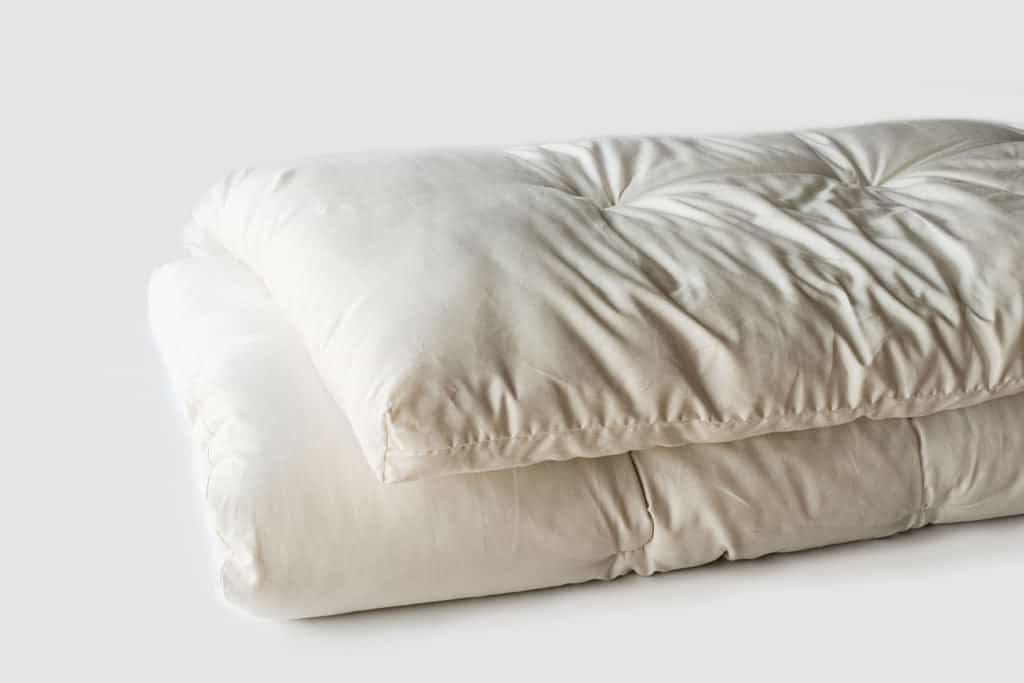
A quilted topper featuring a GOTS-certified organic cotton shell and wool filling typically highlights both the tactile softness of the shell and the wool’s natural resilience. The quilted pattern helps ensure the wool remains evenly distributed, reducing risk of clumping, which can affect comfort and temperature regulation. When care instructions advise spot-cleaning and periodic sun exposure to refresh the wool, you gain a practical approach to preserving loft and microclimate balance without resorting to frequent washing.
For households seeking a premium, all-natural sleep surface, toppers that emphasize domestic or cooperative wool sourcing often resonate with values of transparency and environmental stewardship. The ability to trace the wool to a local cooperative in the western United States or to a GOTS-certified organic operation in New Zealand can be a meaningful differentiator for informed shoppers.
Care and Longevity: Maintaining Wool Topper Loft
A hallmark of wool toppers is their intrinsic resilience. Over time, wool loft may decrease slightly due to compression in high-pressure zones, but well-constructed toppers with balanced tufting and a robust shell recover their loft with use and occasional refreshing. Sun exposure is a common advice for wool products, helping to refresh the wool’s loft and dissipate any surface waxing or natural lanolin aromas that can accumulate.
Washing strategy matters. If a topper is not machine washable, you’ll want to adhere to a gentle cleaning regimen—spot-clean, spot-treat spills promptly, and sun-refresh as needed. If a topper is machine washable, follow the manufacturer’s guidelines to avoid shrinking or losing loft, and consider using a mild detergent and cold-water cycles. The goal is to preserve the natural integrity of the wool while maintaining a fresh, breathable sleep surface.
Putting It All Together: A Practical Recommendation
For readers who seek a non-commercial, information-forward guide, wool toppers present a compelling case as a practical sleep upgrade. The central promise remains: to enhance temperature regulation, support relaxation, and promote a restful night without relying on synthetic materials. When evaluating toppers, prioritize transparent sourcing, clear care instructions, and a thoughtful construction approach that prevents wool from shifting or matting over time.
In the realm of “brand spotlight prompts,” the best choices are those that offer robust documentation about where the wool comes from, how it’s processed, and what ethical standards govern the final product. A well-constructed topper aligns with a morning routine that begins with a cooler, drier night and ends with a refreshed, airy feel upon waking.
Availability and Examples: Real-World Options
While many brands populate the market with similar claims, a few products are genuinely aligned with the principles outlined here: organic materials, durable construction, and clear care guidance. For readers exploring options on this site, the following product exemplars illustrate the kind of wool toppers that meet high standards for natural materials and practical daily use.
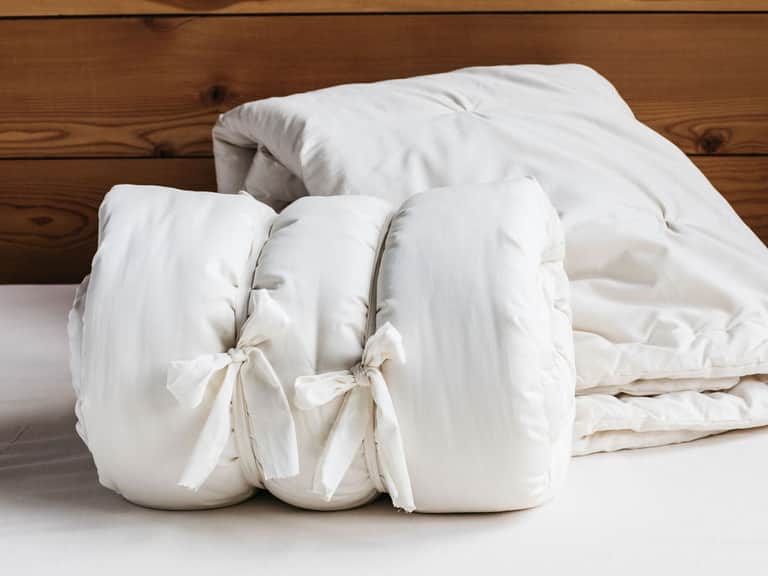
All-Natural Wool Comforter, while primarily a comforter, demonstrates the broader design principle of wool in a breathable, durable shell with corner ties—an ethos that translates well to toppers in construction and intent. It exemplifies the relationship between wool, organic cotton, and hand-tufted or stitched integrity that a topper might adopt for lasting loft.
Certified Organic Quilted Topper presents a model of two-thickness options and the emphasis on GOTS-certified organic cotton fabric with GOTS-certified wool fill. This approach mirrors the dual-augmentation philosophy of toppers that offer a Deep Sleep and Ultimate height option—allowing sleepers to tailor surface softness without changing their bed system.
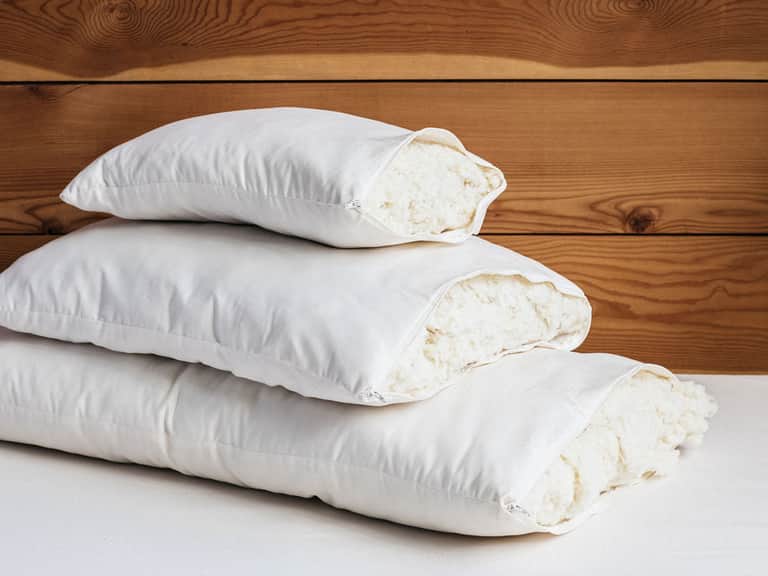
Organic Wooly Down Bed Pillow serves as a parallel reference point for understanding how wool fills can be adjusted within a durable, easy-to-care casing. While specifically a pillow, its design holds relevance for topper discussions about adjustable loft and the integrity of a natural-fill system within a protective shell.
In evaluating toppers, consider a product outline that mirrors these principles: organic shell, certified wool fill, multiple thickness options, spot-clean care guidance, and a transparent supply chain narrative. If you encounter toppers with vague material descriptions or inconsistent care guidelines, approach with caution and seek out brands that publish clear, verifiable information.
Conclusion: A Natural Upgrade for Sleep Quality
A wool mattress topper can elevate the comfort and temperature regulation of a sleep surface in a way that aligns with a cautious, information-forward purchasing approach. By prioritizing organic materials, transparent sourcing, and practical care instructions, you can adopt a natural solution that respects both your sleep needs and the environment.
For readers of this guide, the takeaway is clear: wool offers intrinsic benefits for a balanced sleep climate, and a well-constructed topper can deliver that balance night after night. When you choose wisely, you invite a layer of warmth, breathability, and durability that remains faithful to the land where the wool originated and the hands that processed it.
Product Spotlight (Toppers) from This Site
The following product on this site illustrates the kind of wool-based topper designed with care for sustainability and performance. It aligns with the guide’s emphasis on GOTS-certified materials, careful construction, and practical care guidance.
- Certified Organic Quilted Topper: Encased in 100% organic cotton fabric with wool filling (GOTS-certified). Two thickness options—Deep Sleep and Ultimate—allow customization of feel while preserving the sleep surface integrity. Note that toppers are not machine washable and should be spot-cleaned as needed, with periodic sun refreshing to maintain loft. Link to product: Certified Organic Quilted Topper.