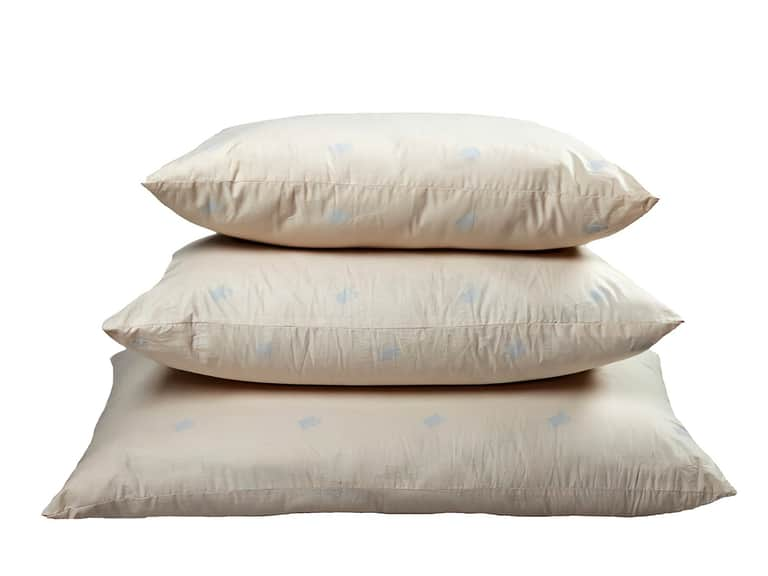
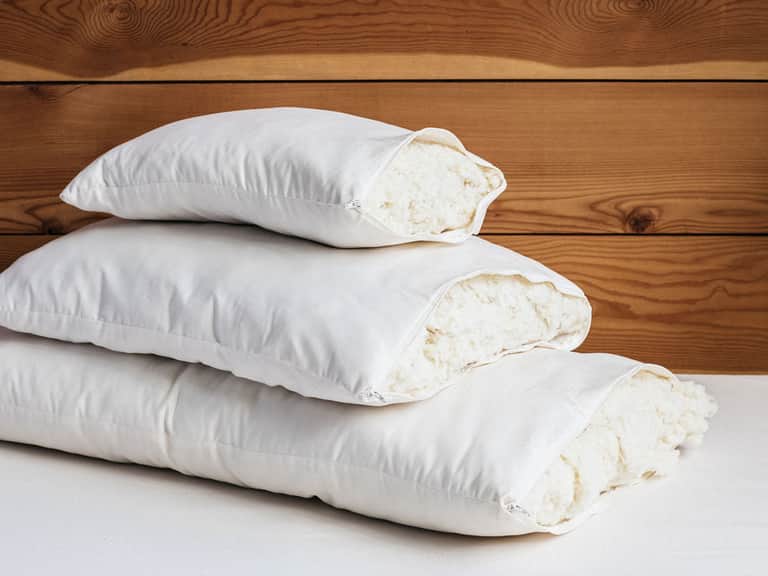
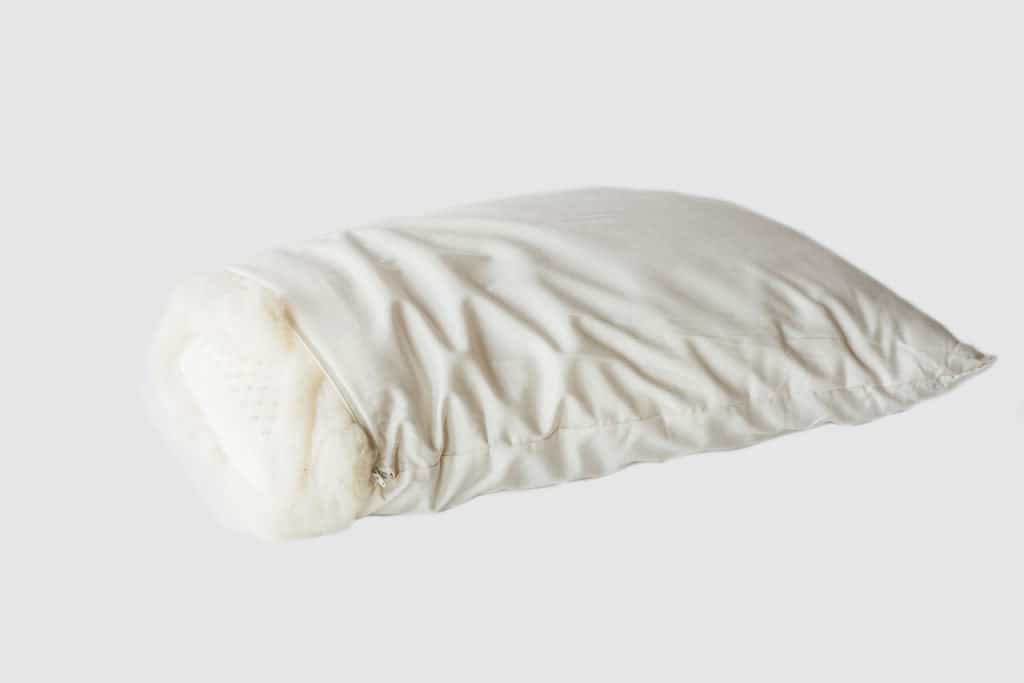
Pillows play a crucial role in sleep quality by supporting spinal alignment, reducing pressure points, and maintaining a comfortable head and neck position throughout the night. In this category, materials such as natural wool and hypoallergenic fibers are highlighted for their moisture-wicking, temperature-regulating, and breathable properties. Understanding pillow construction helps consumers choose a product that aligns with sleeping style and preferred loft.
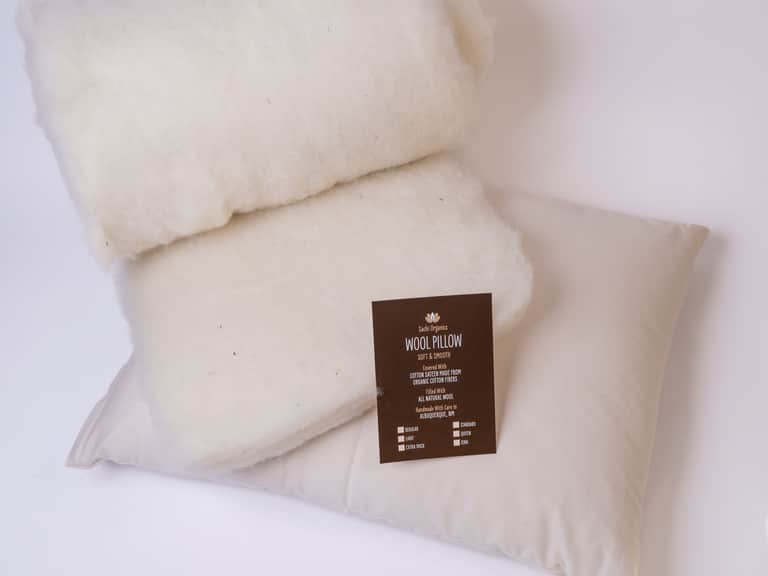
Wool-based pillows leverage the natural temperature regulation of wool, providing warmth in cooler environments while remaining breathable in warmer conditions. The inherent moisture management of wool helps minimize night sweats and dampness, supporting a dry, comfortable sleep surface. This makes wool pillows suitable for sleepers seeking a balanced microclimate without synthetic additives.
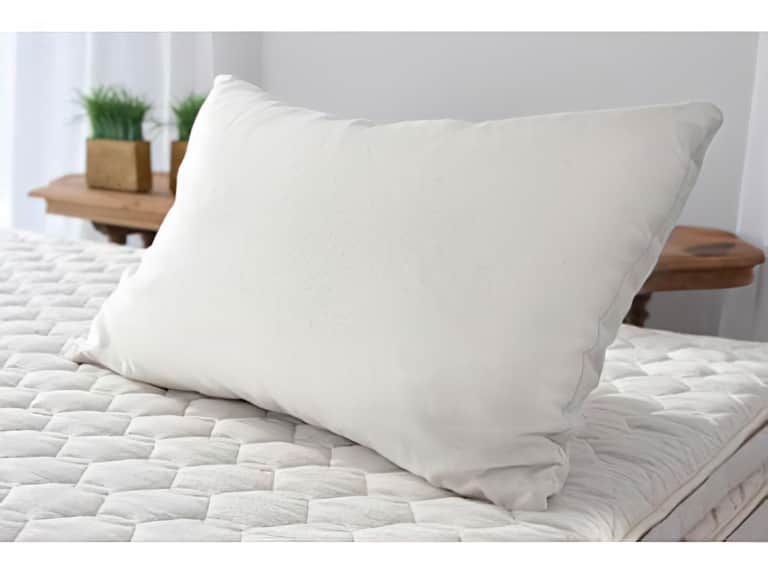
The Sleep and Beyond myWool Pillow exemplifies how wool fibers can deliver consistent support with a responsive feel. Features may include a wool core for contouring support, a soft outer cover, and a design that accommodates various sleep positions. Functional benefits include durable structure, hypoallergenic potential, and allergy-friendly use.
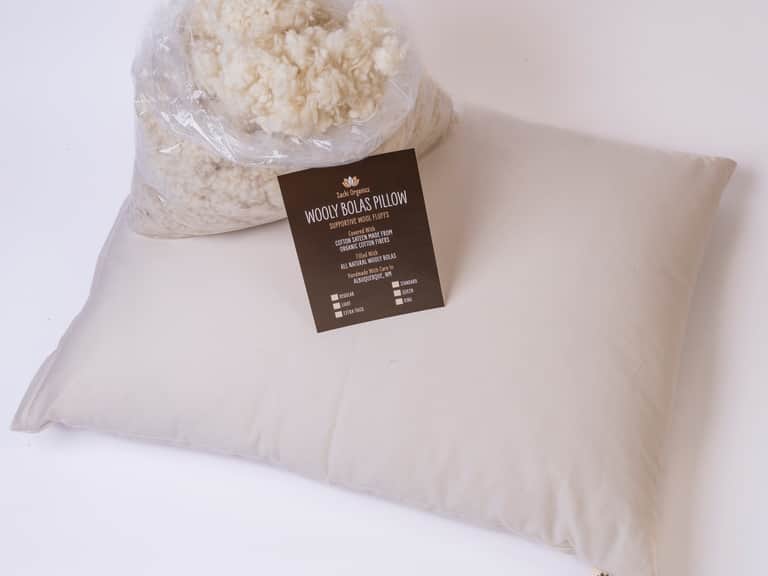
The Wooly Bolas Pillow demonstrates how compact wool-filled designs can offer targeted lift for the head and neck while maintaining flexibility. Key benefits include natural resilience, pressure distribution, and the ability to adapt to different sleepers’ needs. This type of pillow often lends itself to both side and back sleeping configurations, with soothing loft adjustments.
For bedding and sleep surface considerations, choosing a pillow with wool content supports temperature regulation, moisture control, and long-term resilience. Users should assess loft, fill weight, and cover materials to match personal preferences and sleeping posture. Meta keywords such as bedding, pillows, wool, toppers, and wool mattress toppers reflect the broader context of comfort-oriented sleep products.
 Bedding