Blankets are a versatile part of bedding, providing an added layer of warmth and comfort for sleep, rest, or relaxation. Their usefulness depends on materials, weight, weave, and the surrounding climate. Understanding these characteristics can help distinguish a blanket’s role from that of pillows, sheets, and thicker comforters.
Wool blankets are valued for insulating warmth while remaining breathable, which can support comfort across changing room temperatures. Wool fibers can also absorb moisture vapor, helping bedding feel less clammy than some less breathable materials. Warmth and feel vary with the blanket’s construction, fiber blend, and overall weight.
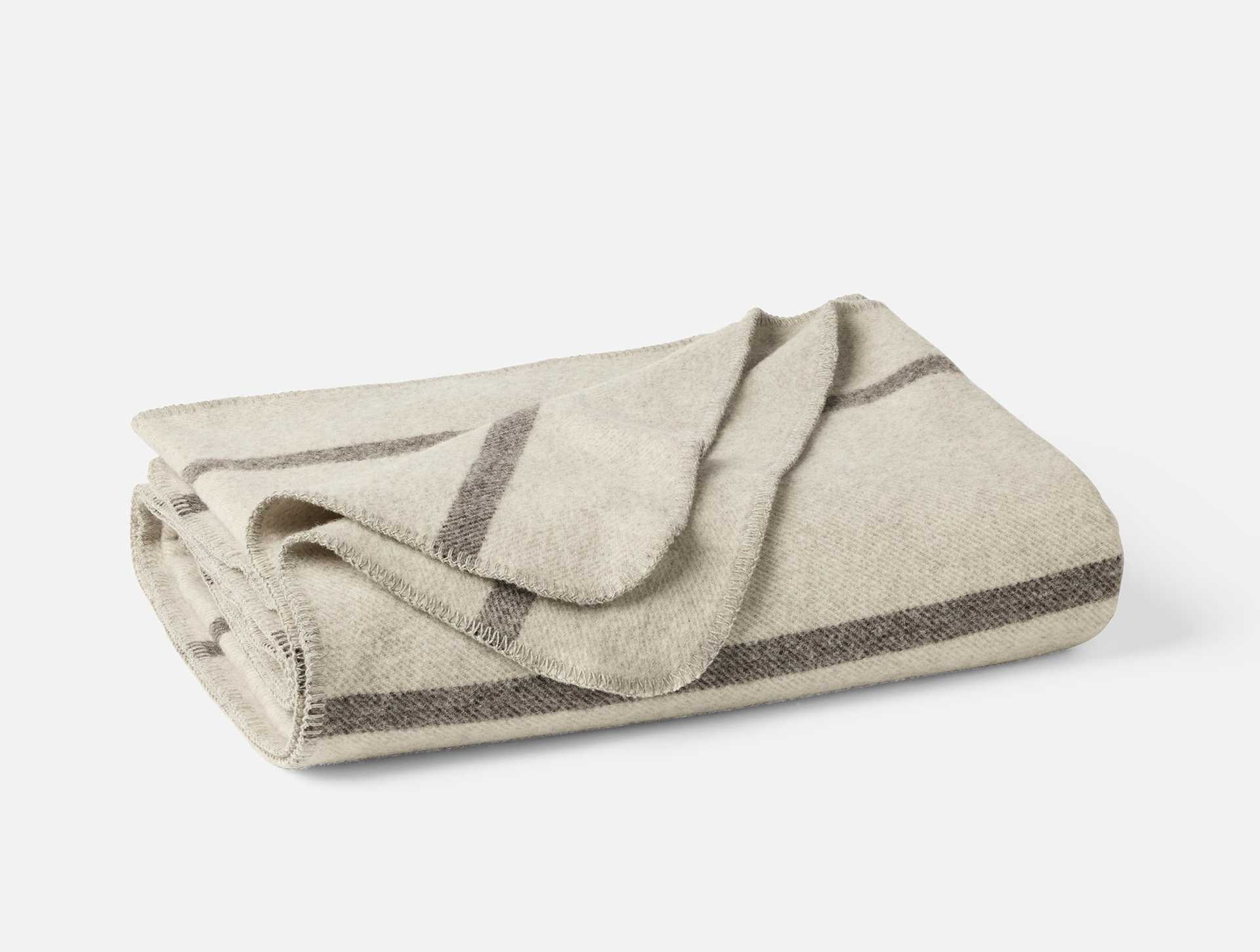
The Tahoe Wool Blanket is a wool bedding layer suited to everyday use over a bed or around the home. Its wool construction provides natural insulation and a soft, substantial layer without relying on the loft of a comforter. It can also serve as an extra cover when temperatures shift.
When choosing a blanket, consider dimensions, weight, texture, care requirements, and whether it will be used alone or layered with sheets and comforters. Wool may be useful for people seeking breathable warmth, but individual comfort preferences differ. Follow the product’s care guidance to help preserve its fibers and shape.
Blankets can complement a range of bedding setups, including rooms with latex mattresses or pillows, and may provide a practical warmth layer in a nursery when used in accordance with safe-sleep guidance. For infants, loose blankets in the sleep space can create hazards; caregivers should follow current pediatric recommendations.
 Bedding