Innerspring mattresses use a network of metal coils to support the body and provide a responsive sleeping surface. Coil design, mattress construction, and cushioning layers influence firmness, motion transfer, and airflow. Understanding these features helps people compare bedding options according to comfort preferences, sleep positions, and household needs.
The Royal-Pedic Natural Cotton Mattress with Wool Wrap combines an innerspring support system with natural cotton and a wool wrap. The coil core provides structured, buoyant support, while the cotton and wool layers add cushioning. These materials also offer an alternative to some synthetic comfort layers found in conventional mattresses.
Wool in a mattress can help regulate temperature by managing moisture and supporting airflow through the comfort layers. Natural cotton contributes a breathable, familiar surface feel. Together, these materials may suit sleepers seeking organic mattresses or bedding made with natural fibers, although individual comfort depends on construction and personal preferences.
When evaluating an innerspring mattress, consider coil responsiveness, firmness, edge support, and how the padding affects pressure relief. A connected or individually wrapped coil system can create different sensations and levels of motion isolation. Pairing a mattress with suitable pillows and a supportive foundation can also influence overall alignment and comfort.
Mattress selection may involve additional considerations for children’s rooms and nursery settings, including fit, materials, and compatibility with the intended bed frame. Latex is another material sometimes used in mattress cushioning, offering a distinct feel from cotton or wool. Reviewing construction details helps clarify how each layer contributes to support and usability.
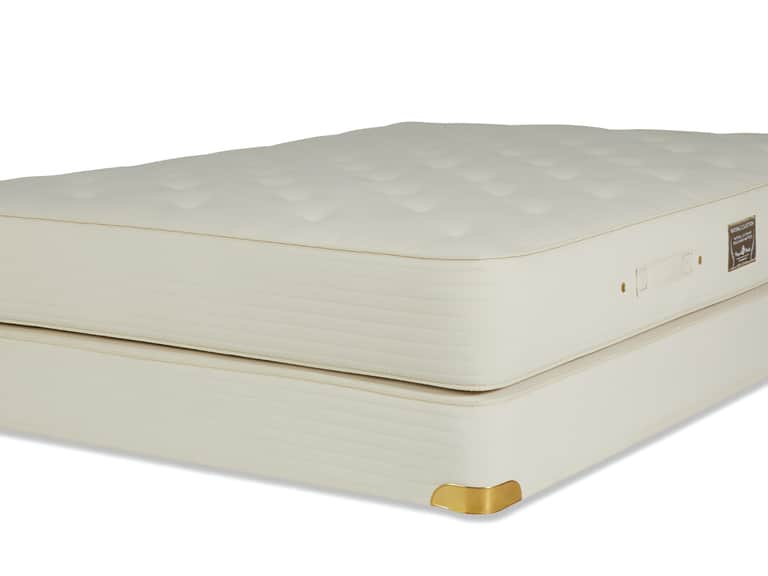 Innerspring Mattresses