Mattresses support the body during sleep and contribute to a comfortable, well-organized bedding system. Construction, materials, firmness, and ventilation can affect how a mattress feels and performs over time. Understanding these characteristics helps households compare natural-fiber options with latex designs and choose features suited to different sleep preferences and room settings.
Natural mattresses may combine materials such as cotton, wool, and latex, each serving a distinct role. Cotton can provide a breathable foundation, while wool is used in comfort layers or wraps and is valued for temperature regulation and moisture management. Latex mattresses offer resilient support, with feel and responsiveness varying by formulation and layer arrangement.
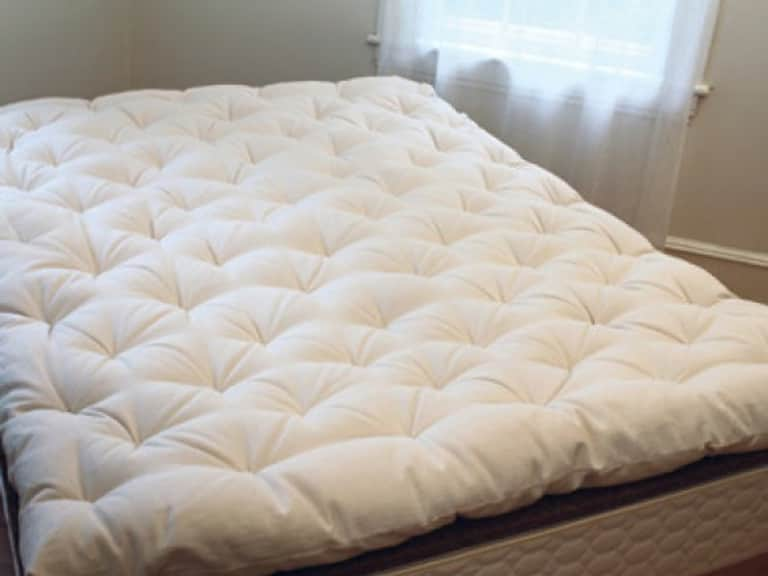
The Savvy Rest Pastoral Wool Mattress is a wool-focused option for people interested in natural mattress materials. Its wool construction is associated with a cushioning sleep surface and breathable comfort, without relying on conventional foam as the defining feature. As with any mattress, perceived firmness and support depend on body type, sleeping position, and personal preference.
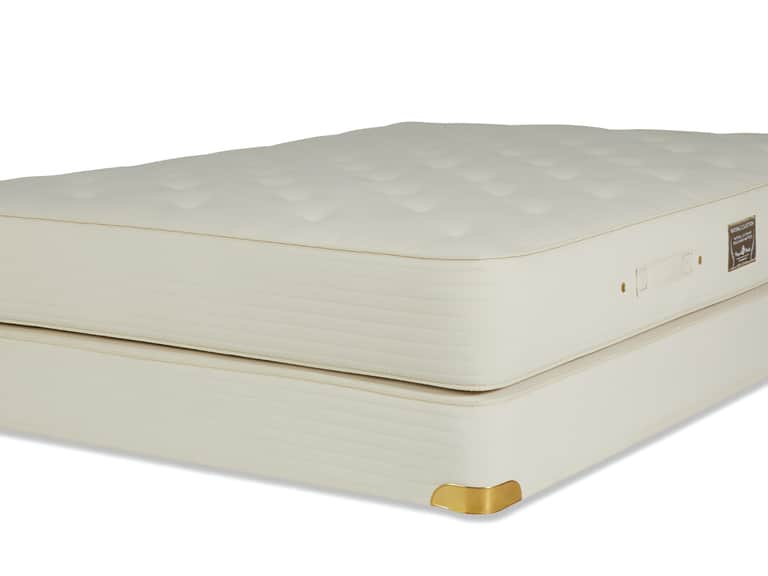
The Royal-Pedic Natural Cotton Mattress with Wool Wrap pairs a natural cotton mattress structure with an outer wool wrap. Cotton provides a supportive, breathable base, while the wool layer can help moderate warmth and absorb moisture. These material choices may be relevant to sleepers seeking a natural-fiber alternative within a broader bedding setup.
Mattress selection also depends on intended use, including adult bedrooms and nursery spaces, where fit, support, and care requirements should be considered. Compare mattress dimensions, construction, firmness, and material details, and assess how each option works with pillows and other bedding. People with sensitivities should review product specifications and consult a qualified professional as needed.
 Mattresses